Using Information Science to Support the Girls Inc. Mission
Posted November 10, 2026 by Brianna Woodard
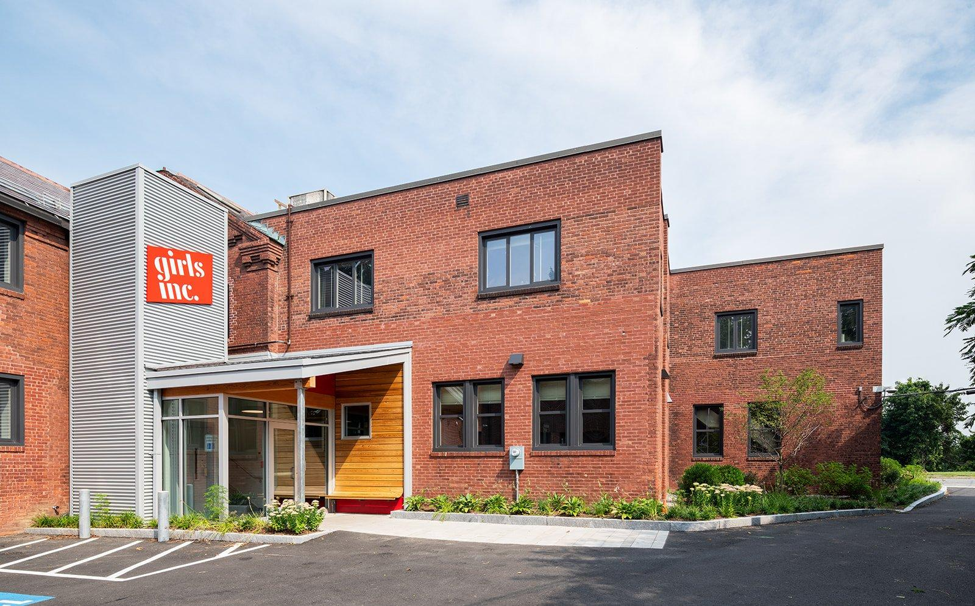
Two weeks ago, I began a new role as the Program Administration & Data Oversight Coordinator at Girls Inc. of the Valley, a nonprofit youth development organization based in Holyoke, Massachusetts, that serves girls and young women ages 5 to 18 throughout the greater Holyoke, Springfield, and Chicopee communities. The organization’s mission is to inspire all girls to be strong, smart, and bold through research-driven, pro-girl programming and supportive mentorship. Through after-school programs, STEM initiatives, leadership development opportunities, and mentorship, Girls Inc. provides young people with the tools and support they need to succeed. As I begin this position, I am already seeing how information management, data stewardship, and organizational recordkeeping contribute to the organization’s ability to serve the community and evaluate the effectiveness of its programs.
As I settle into my new position, I’ve started noticing connections between my responsibilities at Girls Inc. and what I’ve been learning in my Master of Library and Information Science (MLIS) program at Simmons University. Much of my work involves organizing program information, maintaining accurate records, tracking participation, and supporting reporting processes. While these responsibilities may seem very different from working in a library or archive, they rely on many of the same principles I have been studying, including information organization, accessibility, preservation, and responsible stewardship.
This experience has encouraged me to think more broadly about what it means to preserve information and why good recordkeeping matters. The records organizations create today help tell the story of their work, support decision-making, and document their impact over time. Information science is not limited to managing historical collections. It also plays an important role in helping organizations organize their present and plan for their future.
For anyone considering an MLIS degree, my experience at Girls Inc. has reinforced how versatile these skills can be. Information science principles are used in libraries and archives, but they are equally valuable in nonprofit organizations, businesses, healthcare settings, technology companies, and many other fields. Whether your interests are in archives, community organizations, data management, or something entirely different, the knowledge and skills gained through an MLIS can open doors to opportunities you may not have initially considered. I am learning that an MLIS is not defined by a single career path. Instead, it provides a foundation that can be applied in many different professional settings.