
We Alchemize: Black History, Archives, and Reclamation
Posted October 28, 2026 by Brianna Woodard
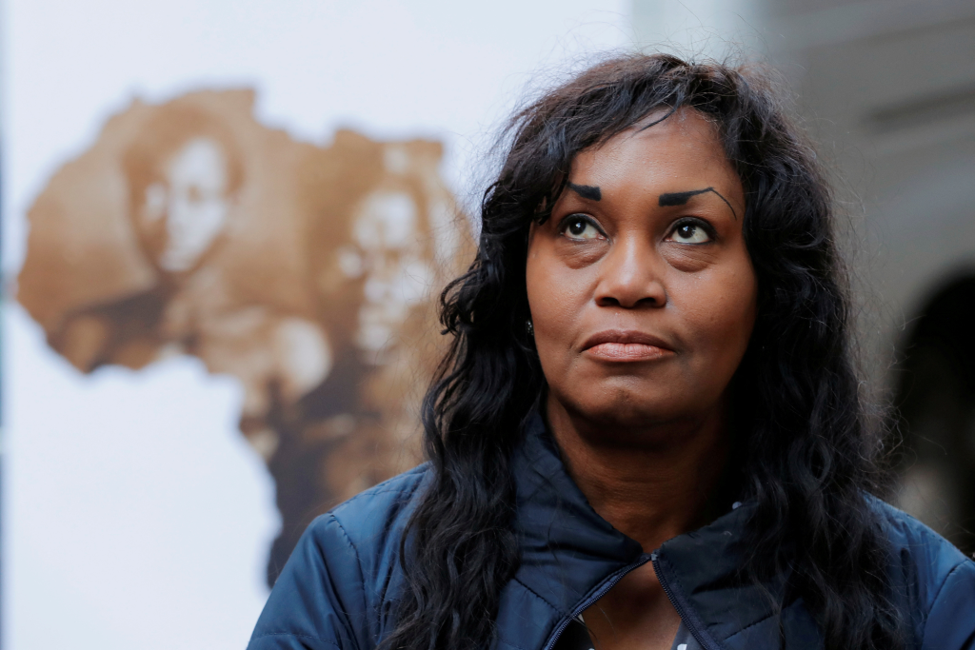
What happens when records meant to define our history fail to convey the full narrative?
We alchemize.
We critically examine what has been documented, preserved, and omitted to understand the broader historical context.
One of the most compelling discussions in my archives courses focused on the daguerreotypes of two enslaved African Americans, Renty Taylor and his daughter, Delia. Harvard professor Louis Agassiz commissioned these photographs to support racist theories of white superiority. Decades later, Tamara Lanier, a descendant of Renty and Delia, sought the photographs’ return to her family.
A photograph can preserve history, but it can also reinforce the power structures that shaped it.
The photographs depict Renty Taylor and his daughter, Delia, two enslaved African Americans, photographed nude against a plain background. Their images were created to support Louis Agassiz’s racist theories about Black bodies. Yet outside the scientific purpose imposed upon the photographs, they document two people whose humanity and personal experiences extend well beyond what the images were intended to represent.
Nevertheless, their photographs became institutional objects, giving Harvard considerable authority over their preservation, access, and interpretation.
This case illustrates the importance of representation and cultural memory in archival work. An archive is more than a collection of objects; each photograph, document, or record embodies a person and a narrative. Often, the most critical task is identifying what is absent, who was excluded, and who had the authority to decide what is remembered.
This consideration raises a vital question for me: What happens when the people represented in an archive have little or no control over how their stories are preserved?
Preserving history entails more than safeguarding photographs, documents, or artifacts. It also requires ethically preserving the experiences and humanity of those represented in these records.
As an aspiring archivist, I seek to examine who has historically controlled these collections and how archives can facilitate greater community involvement in preserving and interpreting their own histories. Community engagement can take many forms, such as inviting local voices through oral history projects, forming community advisory boards, or collaborating with families to ensure their perspectives shape the archival record. By incorporating these approaches, archives can become spaces where those represented have a more active role in telling their own stories.
Black history should not be limited to the institutions that collected or acquired these materials; it must remain connected to the people, families, and communities whose lives shaped this history.
For me, this is part of what it means to be an archivist. From an early age, I was captivated by stories—both those told within my family and those left untold in official records. I am drawn to archival work because it allows me to help surface voices and experiences long overlooked, and to ensure that the stories preserved reflect the true complexity of our histories. This personal connection drives my commitment to creating spaces where marginalized histories are not only remembered, but honored.